When was the last time you had an eye exam? If you’re like most people, it’s probably been longer than it should be. Life gets busy, and it’s easy to put off a check-up if you’re not experiencing obvious vision problems. But here’s the thing—your eyes are constantly working for you, and regular eye exams are essential to keeping them healthy for the long haul.
Early Detection of Eye Conditions
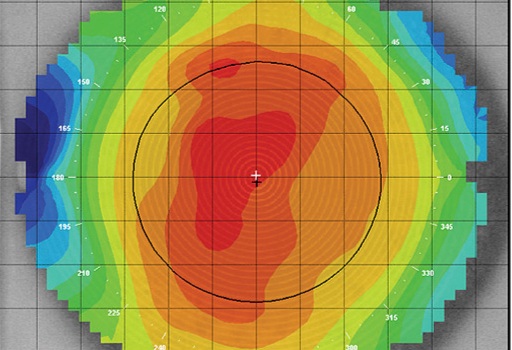
Many serious eye conditions develop gradually and painlessly. These conditions can progress silently without regular vision check-ups until they cause significant damage or vision loss. Common eye conditions we can detect early include:
- Glaucoma, which can damage the optic nerve due to increased pressure in the eye
- Age-related macular degeneration, affecting central vision
- Cataracts, which cloud the lens of the eye
- Diabetic retinopathy is a complication of diabetes that affects blood vessels in the retina
With early detection through routine eye exams, we can implement treatment plans to slow or even halt the progression of these conditions, preserving your vision for years to come.
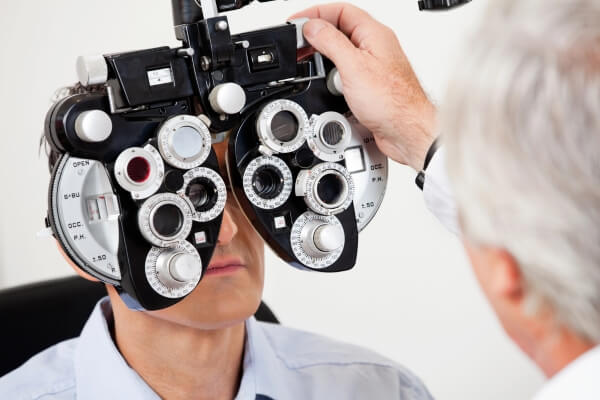
Your Eyes: Windows to Your Overall Health
One of the most compelling reasons for regular eye exams is that they can reveal signs of systemic health issues. Your eyes offer a unique window into your vascular, nervous, and immune systems.
During a comprehensive eye exam, we might spot indications of:
- High blood pressure
- Diabetes
- High cholesterol
- Autoimmune disorders
- Certain cancers
- Thyroid disease
Many patients are surprised to learn that their eye exam led to the diagnosis of a health condition they weren’t aware of. This makes vision check-ups an invaluable component of your preventive healthcare routine.

How Often Should You Have an Eye Exam?
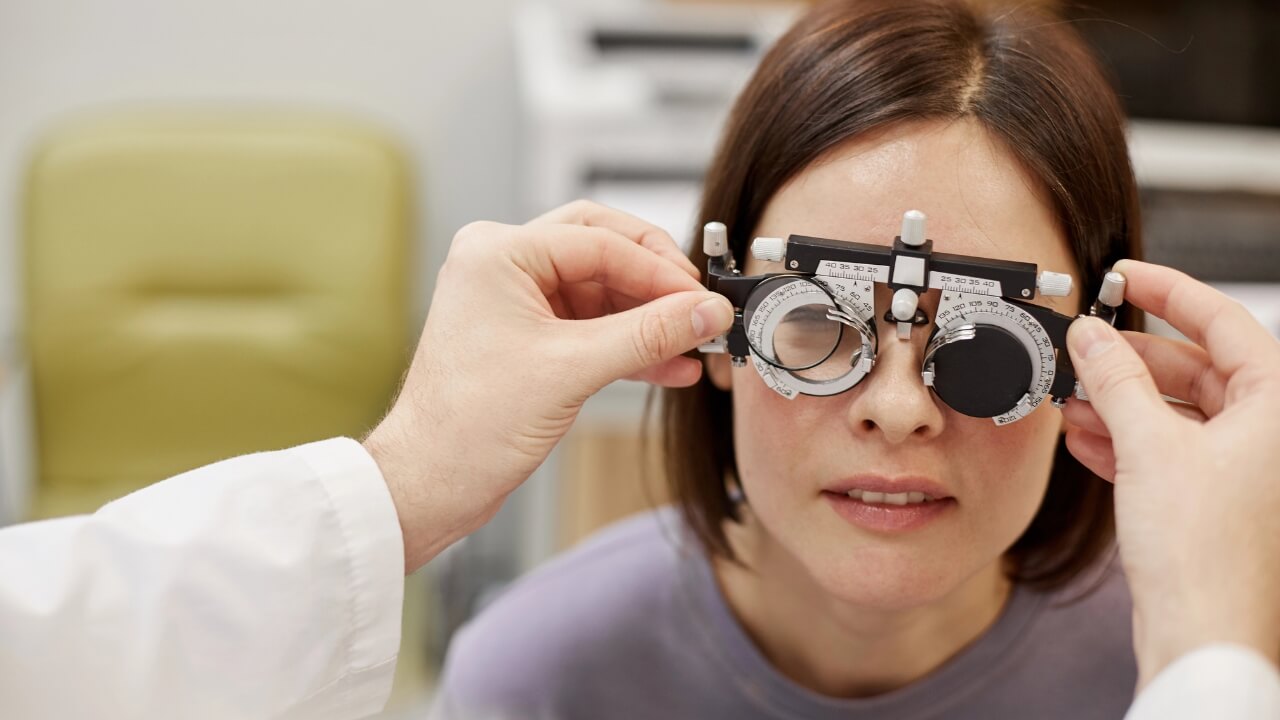
Eye exam frequency depends on age, risk factors, and whether you currently wear corrective lenses. As a general guideline:
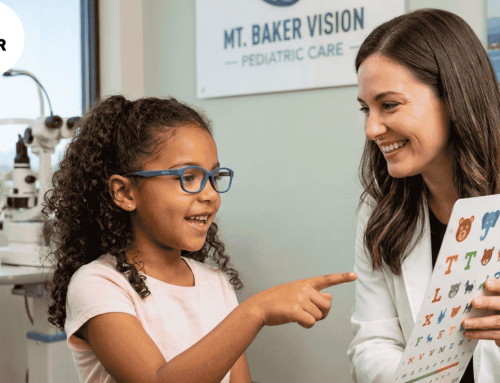
- Children should have their first comprehensive eye exam at 6 months, another at age 3, and again before starting school. School-age children should have an exam every 1-2 years.
- Adults between 18 and 60 should have an eye exam every 1-2 years or as their eye doctor recommends.
- Adults 61 and older should have annual eye exams.
However, if you have risk factors such as diabetes, high blood pressure, a family history of eye disease, or if you wear contact lenses, you may need more frequent exams.
Investing in Your Vision’s Future
Think of regular eye exams as an investment in your future vision. Just as you wouldn’t skip dental check-ups or annual physicals, your eye health deserves the same attention. Prevention and early intervention are always less costly—financially and in terms of quality of life—than treating advanced eye conditions.
If you’re in Bellingham, Lynden, or Ferndale, Mt Baker Vision Clinic supports your eye health with personalized care. We’re committed to providing thorough, comfortable eye exams using the latest technology. Our team takes the time to explain our findings and answer all your questions, ensuring you understand your eye health status and any recommendations we make.
Don’t wait until you notice vision changes to schedule an appointment. By then, some damage may already have occurred. Instead, make regular vision check-ups part of your preventive health routine.